


A Commitment to Understudied Epilepsies
CURE Epilepsy tackles advancing knowledge on genetic and rare epilepsies in a variety of ways. Many rare epilepsies have proven to have a genetic cause. As science advances, more and more genes have been implicated in the epilepsies, allowing for the hope of more personalized medicine. Our Rare Epilepsy Partnership Award supports the development of necessary research tools, techniques, model systems, and data collection platforms to stimulate and accelerate research on rare epilepsies.
Our Infantile Spasms Research Initiative
The Epilepsy Genetics Initiative (EGI)
Made possible by a generous contribution from the John and Barbara Vogelstein Foundation, EGI (2015-2020) created a centralized database that holds the genetic (whole exome sequence) data of people with epilepsy. The initiative advanced our understanding of the genetic causes of epilepsy with a goal of improving the ways we prevent, diagnose, and treat this devastating neurological disorder.
Learn More about EGIThe Epilepsy with Eyelid Mycolonia (EEM) / Jeavons Syndrome Research Initiative
With the Epilepsy with Eyelid Myoclonia (EEM) / Jeavons Syndrome Initiative, CURE Epilepsy is responding to unmet needs in an underserved epilepsy syndrome. Using our expertise, network, and resources, CURE Epilepsy has jumpstarted efforts in hopes of catalyzing further interest and investment from the community.
EEM / Jeavons Syndrome Overview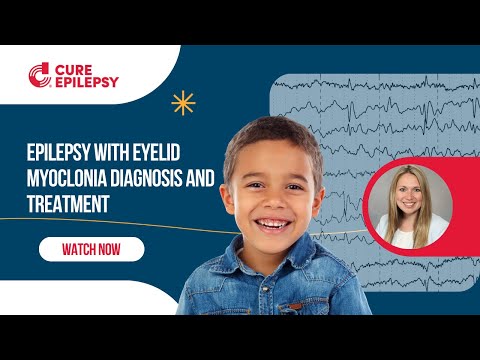
Webinar with Dr. Kelsey Smith of the Mayo Clinic
More Webinars

Epilepsy with Eyelid Myoclonia (EEM) / Jeavons Syndrome Initiative phases to date have included:
- Creation of an international steering committee composed of expert neurologists, researchers and patient advocates who summarized existing knowledge, developed consensus about the diagnostic approach and clinical management of EEM and identified areas where further study is needed.
- Review of existing literature
- Use of the modified Delphi consensus process, which included three rounds of surveys to 25 physicians and 5 patients or caregivers, to develop a consensus on diagnosis and treatment
- Awareness efforts to connect patients to research and galvanize the community
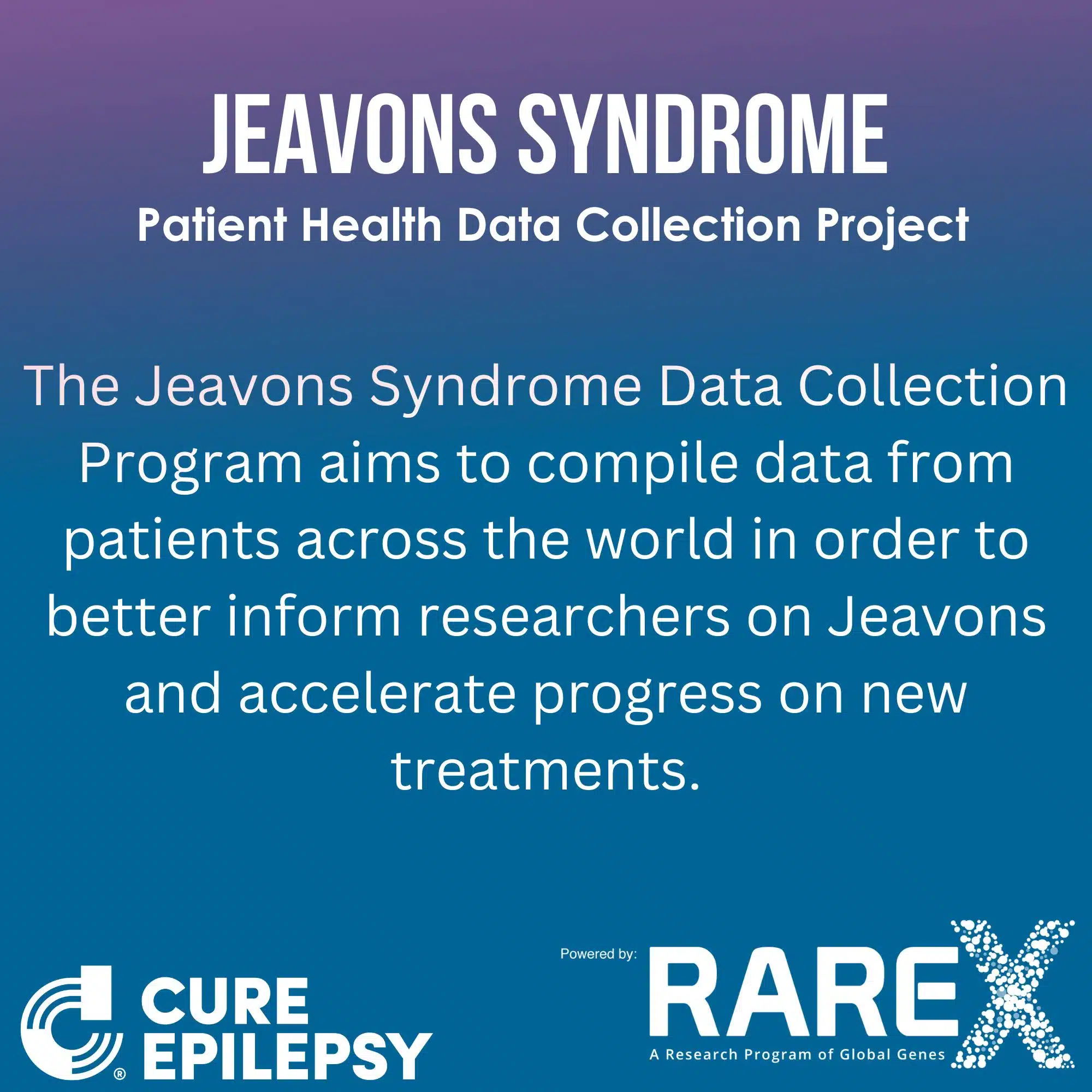
- The launch of a Patient Health Data Collection Program with Rare-X to provide a place for the community to aggregate robust, secure patient data for use by medical researchers to accelerate research progress on EEM. Watch the program launch webinar here!
Other Support
Educational Impacts
While cognition and development are typically normal in people with EEM, school difficulties and attention problems may occur. There are anecdotal reports of elevated attention-deficit/hyperactivity disorder (ADHD) diagnoses. There may be a need for Individualized Educations Plans (IEPs) or other learning support. Teachers may incorrectly misinterpret eyelid myoclonia as “sass” or eye-rolling or think that absence seizures are kids “just daydreaming.” Parents of children with Jeavons syndrome may also want to discuss the impact of screen time and sensitivity to light with teachers as well as healthcare providers.
Community
There is currently no organized patient advocacy group dedicated to advocacy for Jeavons syndrome. Some CURE Epilepsy community members have found a Jeavons syndrome Facebook group to be helpful and to provide a way to share experiences with others, but we cannot speak to the accuracy of information in such online communities; you should always discuss treatments with your healthcare provider.
Other resources of interest may include:
Research
Limited research has been conducted on Jeavons syndrome. Previously published papers before CURE Epilepsy’s Epilepsy with Eyelid Myoclonia (EEM) / Jeavons Syndrome Initiative include:
- Cerulli Irelli E, Cocchi E, Ramantani G, Caraballo RH, Giuliano L, Yilmaz T; EMA Study Group. Electroclinical Features and Long-term Seizure Outcome in Patients With Eyelid Myoclonia With Absences. Neurology. 2022 May 3;98(18):e1865-e1876. doi: 10.1212/WNL.0000000000200165. Epub 2022 Mar 15. PMID: 35292555.
- Cerulli Irelli E, Cocchi E, Ramantani G, Riva A, Caraballo RH, Morano A, et al. The spectrum of epilepsy with eyelid myoclonia: delineation of disease subtypes from a large multicenter study Epilepsia. 2022 Oct 28.
- Specchio N, Wirrell EC, Scheffer IE, Nabbout R, Riney K, Samia P, et al. International League Against Epilepsy classification and definition of epilepsy syndromes with onset in childhood: Position paper by the ILAE Task Force on Nosology and Definitions Epilepsia. 2022 May 3.
- Striano P, Sofia V, Capovilla G, Rubboli G, Di Bonaventura C, Coppola A, et al. A pilot trial of levetiracetam in eyelid myoclonia with absences (Jeavons syndrome) Epilepsia. 2008 Mar;49:425-430.
- Zawar I, Toribio MGG, Xu X, Alnakhli RS, Benech D, Valappil AMN, et al. Epilepsy with Eyelid myoclonias – A diagnosis concealed in other genetic generalized epilepsies with photoparoxysmal response Epilepsy Res. 2022 Mar;181:106886.
- Zawar I, Pestana Knight EM. An Overview of the Electroencephalographic (EEG) Features of Epilepsy with Eyelid Myoclonia (Jeavons Syndrome) Neurodiagn J. 2020 Jun;60:113-127.
The Late-Onset Epileptic Spasms Project
Late-onset epileptic spasms (LOES) are a very rare type of seizure that begin outside of infancy usually over the age of 2 years old. Unlike infantile spasms, which have clear diagnostic guidelines and well-established treatment pathways, LOES remain poorly understood. Many people with LOES experience delays in diagnosis or are misdiagnosed, and there is little agreement about the best ways to evaluate, treat, and monitor these individuals. Because of this lack of knowledge and consistency, families and clinicians are often left without clear answers. More research and collaboration are urgently needed to improve care and outcomes for people living with LOES.
Made possible by a generous contribution from the Cunneen family, this project aims to advance understanding of LOES so they can be:
- Recognized earlier
- Diagnosed more accurately
- Treated more effectively
- Managed using evidence-based recommendations
Ultimately, we aim to improve quality of life and long-term outcomes for individuals and families affected by LOES.
Other Areas of Focus
In addition to funding epilepsy research more broadly through investigator-initiated grants, CURE Epilepsy has a deep, sustained focus on several key areas of the field where we believe we can make a big impact over time.
Learn More